

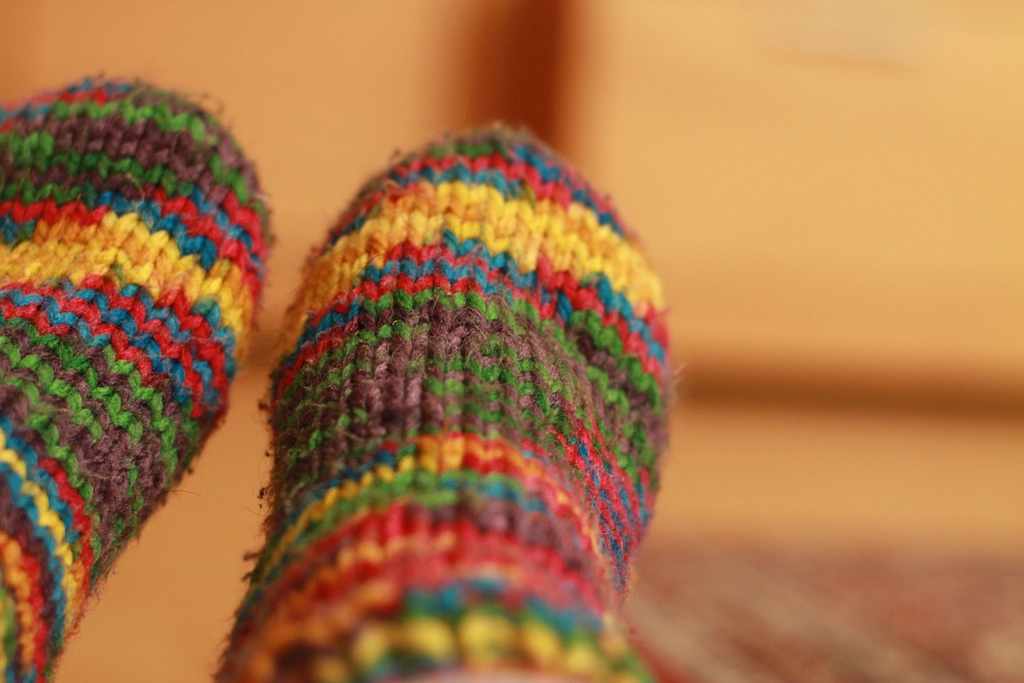
When temperatures drop well below freezing, your feet are often the first part of your body to feel it. Cold, damp feet are uncomfortable and, in extreme conditions, can lead to frostnip or frostbite. The right socks make an enormous difference. If you are shopping for the warmest socks for extreme cold, this guide explains what to look for.
What makes a sock warm?
Warmth comes from three things working together: insulation, moisture control and fit. A sock needs to trap a layer of warm air around your foot, move sweat away from the skin so your feet stay dry, and fit snugly without cutting off circulation. Damp feet lose heat quickly, so moisture management matters just as much as thickness.
The best materials for cold weather
Merino wool
Merino wool is widely considered the best all-round material for winter socks. It insulates well, stays warm even when slightly damp, wicks moisture, resists odour and is much softer and less itchy than traditional wool.
Synthetic blends
Materials such as nylon, polyester, acrylic and elastane are often blended with wool. They add durability, stretch and quick-drying performance. Good technical socks usually combine wool with synthetics.
Alpaca and other specialty fibres
Alpaca wool is very warm and lightweight, and some specialist cold-weather socks use it or blend it with merino for extra insulation.
Why to avoid cotton
Cotton is comfortable for everyday wear, but it absorbs sweat and holds on to it. Once wet, it loses its insulating ability and can leave your feet cold. For freezing conditions, avoid 100% cotton socks.
Thickness and cushioning
Heavier socks with a thick, dense knit and cushioning under the foot provide the most insulation. However, they also take up more space in your boots. If socks make your footwear too tight, they can restrict blood flow and actually make your feet colder, so make sure your boots have enough room.
Fit and length
- Choose socks that fit snugly without bunching or wrinkles, which can cause blisters.
- Mid-calf or knee-length socks keep more of your leg warm and stop snow getting in.
- Look for reinforced heels and toes for durability.
Should you layer socks?
Some people wear a thin liner sock made of merino or synthetic material under a thicker wool sock. The liner wicks moisture and reduces friction, while the outer sock provides insulation. Just make sure the combination does not make your boots too tight.
Choosing a stylish pair
Warm socks do not have to be boring. Brands such as UndefineX offer comfortable designs that combine quality materials with distinctive styles, so you can stay warm and still express your personality.
FAQs
What should I look for in good winter socks?
Look for a high proportion of merino or other wool, a moisture-wicking blend, cushioning in key areas and a snug, comfortable fit.
How can I prevent foot odour in winter?
Keep your feet dry, change socks daily (or more often if they get damp), choose wool or moisture-wicking fabrics and let your boots dry out fully between uses.
Why invest in the warmest socks?
Proper winter socks keep your feet comfortable, reduce the risk of cold-related injuries such as frostbite, and make outdoor activities in freezing weather much more enjoyable.

