

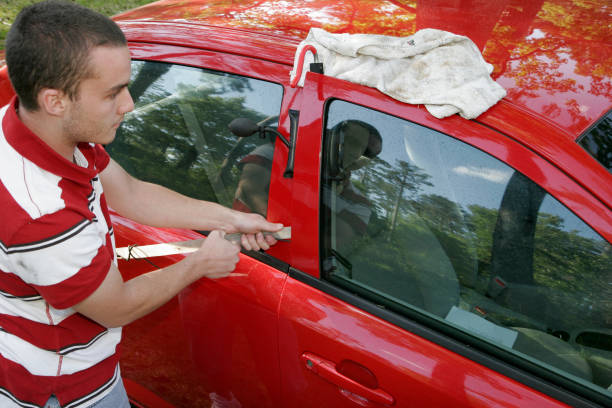
Most of us only think about locksmiths when something goes wrong: a lost key, a jammed lock or a car door that will not open. Yet locksmiths do far more than unlock doors. This guide explains what they do, the services they offer and how to choose a trustworthy one.
What does a locksmith do?
A locksmith is a tradesperson who installs, repairs and adjusts locks and security hardware for homes, businesses and vehicles. Typical tasks include cutting duplicate keys, rekeying locks so old keys no longer work, fixing faulty latches and opening locks without causing unnecessary damage.
Many people learn the trade through apprenticeships or specialist training rather than a university degree. In some US states and other countries, locksmiths must also hold a licence, so it is worth checking the rules where you live.
Beyond basic locks
A common misconception is that locksmiths only work with traditional pin-tumbler locks. Many also handle electronic and smart locks, keypads, access control systems, safes and car key fobs or transponder keys. Not every locksmith offers every service, however, so ask about specialist work before you book.
Common locksmith services
- Emergency lockouts: getting you back into your home, office or car, often 24 hours a day.
- Roadside assistance: help when keys are locked inside a vehicle or a car lock fails.
- Key cutting and duplication: spare keys for family members, tenants or staff.
- Rekeying and lock changes: recommended after moving house or losing a set of keys.
- Broken or stuck keys: extracting snapped keys and repairing the lock.
- Security upgrades: advice on stronger locks, deadbolts and smart security systems.
How to choose the right locksmith
- Choose someone local. A nearby locksmith can reach you faster in an emergency and usually charges less for travel.
- Check credentials. Ask for proof of licensing where required, insurance and a business address.
- Read independent reviews. Look at reviews on trusted platforms rather than relying only on the company’s website.
- Get a quote first. A reputable locksmith will give a clear estimate, including call-out fees, before starting work.
- Be wary of very low prices. Unusually cheap phone quotes can be a sign of a scam that adds extra charges later.
For background on the trade’s history and techniques, see this overview of Locksmithing.
Conclusion
A good locksmith is a little like a doctor for your locks: they diagnose the problem and fix it properly. Finding a reliable professional before an emergency happens, and saving their number, can save you time, money and stress when you need help most.

