

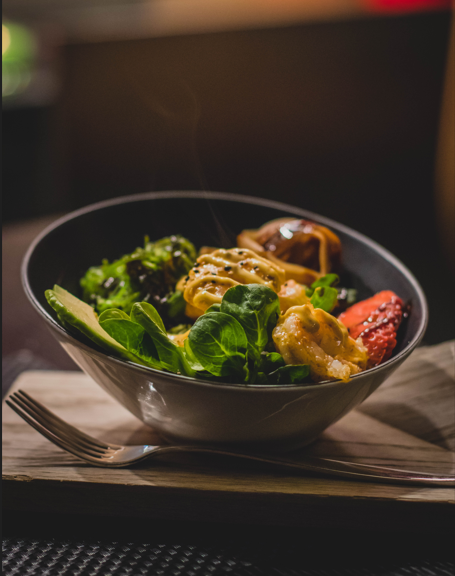
There is no single food that melts fat away, but some foods make losing weight noticeably easier. They fill you up for relatively few calories, keep blood sugar steady and supply the nutrients your body needs while you eat a little less. These are often called “superfoods”. Below are five that are backed by good nutritional evidence, along with simple ways to fit them into everyday meals.
Why diet matters more than you think
Exercise is important for fitness and long-term weight maintenance, but the bulk of weight loss comes from what and how much you eat. A sustainable approach focuses on whole, minimally processed foods that are rich in fibre and protein, because these help control hunger. When you feel satisfied on fewer calories, the small daily deficit needed for steady weight loss becomes far easier to keep up. Good health habits, not crash diets, are what make results last.
1. Oats
Oats are rich in beta-glucan, a soluble fibre that forms a gel in the gut, slows digestion and helps you stay full until lunch. They also release energy steadily, which reduces mid-morning cravings.
How to eat them: make porridge with milk or water and top it with berries, prepare overnight oats in a jar, or blend a spoonful of oats into a smoothie for extra staying power. Choose plain rolled or steel-cut oats rather than sugary flavoured sachets.
2. Eggs
Eggs are an affordable source of high-quality protein, and protein is the most filling nutrient. Studies have found that a protein-rich breakfast can reduce how much people eat later in the day. Eggs also provide vitamin B12, vitamin D and choline.
How to eat them: scramble them with spinach and tomatoes, keep hard-boiled eggs in the fridge as a ready-made snack, or bake a vegetable frittata that lasts for several lunches.
3. Leafy greens
Spinach, kale, rocket and other leafy greens are extremely low in calories yet packed with fibre, vitamins A, C and K, folate and minerals. Because they add volume to a plate, they let you eat a satisfying portion without many calories.
How to eat them: use them as the base of a salad, stir a handful into soups, curries and pasta sauces at the end of cooking, or blend them into a fruit smoothie where their flavour is barely noticeable.
4. Beans and lentils
Pulses such as chickpeas, black beans and lentils combine plant protein with plenty of fibre, a pairing that is especially good for appetite control. They are also inexpensive and help lower cholesterol.
How to eat them: add lentils to soups and stews, toss chickpeas into salads or roast them for a crunchy snack, swap half the meat in chilli or bolognese for beans, or spread hummus on wholegrain toast.
5. Greek yoghurt
Plain Greek yoghurt contains roughly twice the protein of regular yoghurt, along with calcium and probiotic cultures that support gut health. Its thick texture makes it feel indulgent while staying relatively light.
How to eat it: top it with fruit and a sprinkle of nuts for breakfast, use it in place of sour cream or mayonnaise in dips and dressings, or freeze it with berries for a simple dessert. Choose unsweetened versions and add your own fruit.
Putting it all together
These five foods work best as part of an overall pattern: plenty of vegetables, lean protein at every meal, whole grains instead of refined ones, and fewer sugary drinks and ultra-processed snacks. Combine that with regular movement, enough sleep and realistic goals, and steady weight loss becomes achievable. If you have a medical condition or are considering a major change to your diet, speak to your doctor or a registered dietitian first.

