

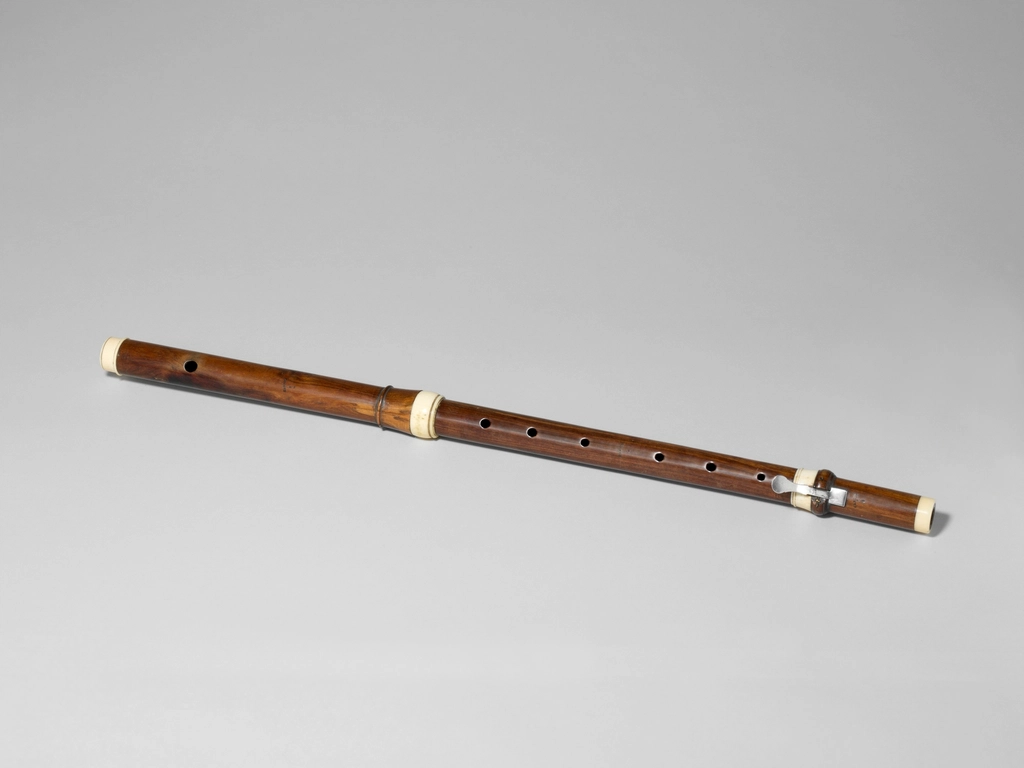
The flute is one of the most popular instruments for beginners of all ages. Its bright, expressive sound is heard in orchestras, wind bands, jazz groups and solo performances, and it can convey everything from joy to melancholy. Learning the flute can bring a lifetime of enjoyment, but starting with the right approach makes a big difference. Here is a guide to help new flautists get off to a good start.
Get to know your instrument
Every musical instrument comprises different parts, and understanding them is the first step. Although the flute belongs to the woodwind family, the modern concert flute is usually made of metal. It comes in three sections:
- Head joint: contains the lip plate and embouchure hole, where you blow across the opening to create sound.
- Body: the longest section, holding most of the keys you press to change notes.
- Foot joint: the short end section with a few additional keys for the lowest notes.
Learn to assemble the flute carefully by holding the sections near the ends rather than by the keys, and align them correctly so the keys line up comfortably under your fingers.
Master the basics of sound
Producing a clear tone is often the first challenge. Practise with the head joint alone at first, shaping your lips (your embouchure) and directing a focused stream of air across the hole. Good posture and breath support from the diaphragm are just as important as finger technique.
Be patient with yourself
Moving between notes and coordinating fingers and breath can feel awkward at first. Every flautist has gone through this stage. Rather than rushing ahead, take time to learn each note and fingering properly. Progress may feel slow initially, but patience and consistency will pay off.
Practise regularly
Short, daily practice sessions of 15 to 30 minutes are more effective than occasional long ones. Include long tones for sound quality, scales for finger agility and simple pieces you enjoy to stay motivated.
Choose a good-quality flute
Buying a second-hand student flute can save money, but avoid very cheap instruments that are poorly made. They often go out of adjustment, leak air and frustrate beginners. Try several flutes if you can, ideally with a teacher’s guidance, and have a used instrument checked by a repair technician before buying.
Look after your instrument
- Swab the inside after every use to remove moisture.
- Wipe the outside with a soft cloth to remove fingerprints.
- Never use oil or metal polish on the keys or pads.
- Store the flute in its case when not playing.
- Have it serviced regularly by a professional technician.
Take lessons
A good teacher can correct posture, embouchure and finger position early, before bad habits form, and keep you motivated with a structured plan. Online and in-person lessons are both widely available, and if you are in Southern California, you can enjoy flute lessons in Pasadena here.
Conclusion
Learning the flute takes time, but with the right instrument, regular practice and good guidance, beginners can make steady progress and enjoy expressing themselves through music for years to come.

