

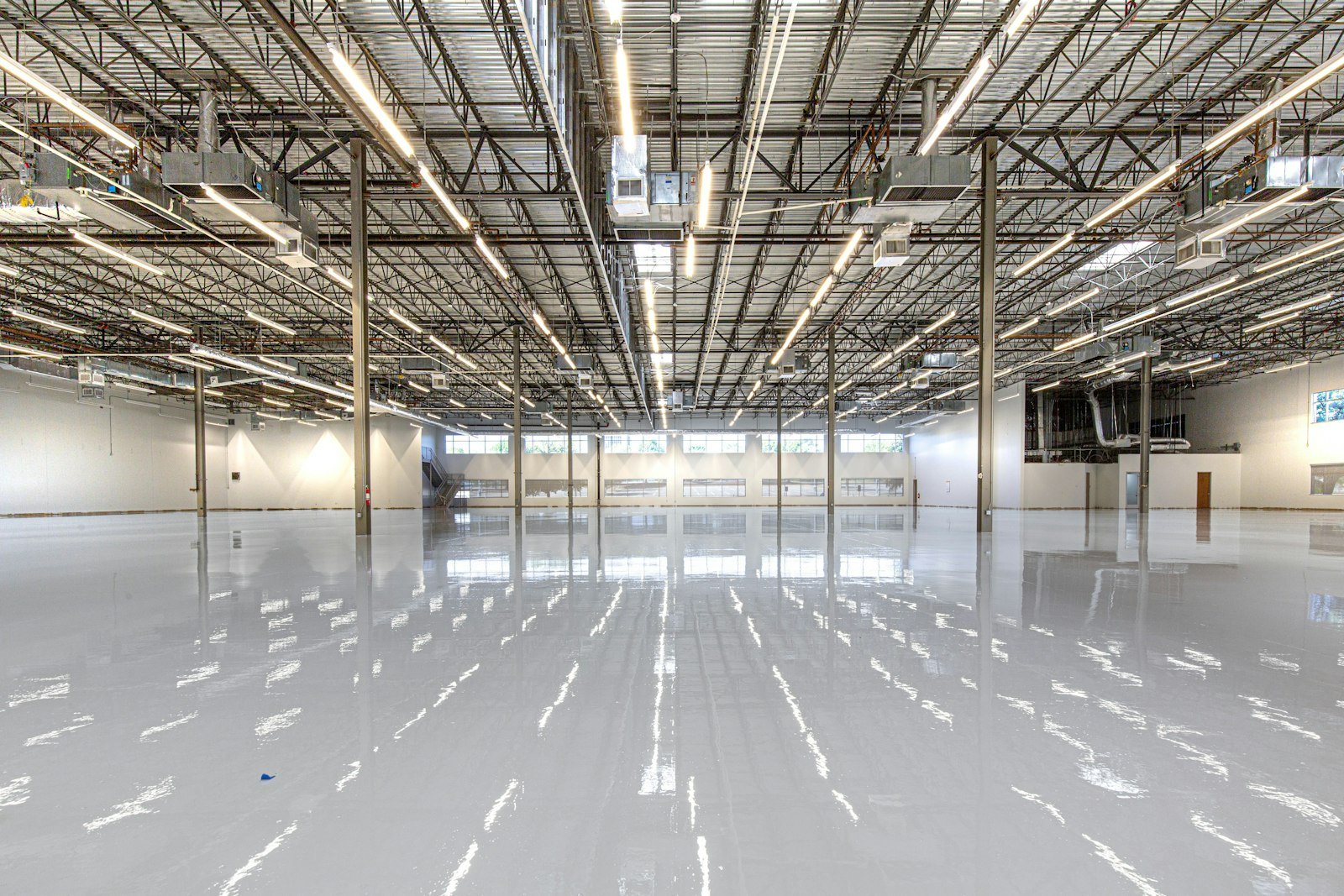
Epoxy flooring costs about $2,500 on average for a professionally coated garage, with most projects landing between roughly $1,600 and $3,400, according to HomeAdvisor. You get a tough, glossy, easy-to-clean floor. But it needs careful prep, and cheaper water-based kits wear out much faster than pro-grade systems.
So is it worth it? For most garages and basements with solid concrete, yes. Below, you’ll see what drives the price, the real pros and cons, and the mistakes that make coatings peel.
What Is Epoxy Flooring?
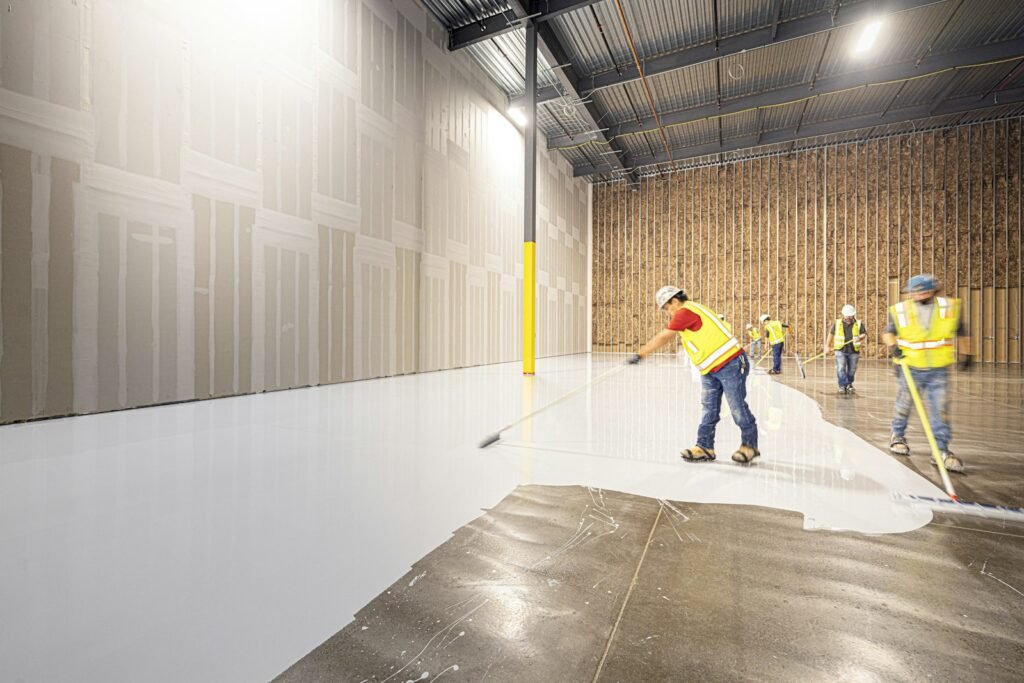
Epoxy is a two-part coating: a resin and a hardener. Once you mix them, a chemical reaction starts, and the liquid cures into a hard plastic layer that bonds to concrete. That’s why it’s tougher than regular floor paint, which just dries.
There are three main types:
- Water-based: Cheapest and easiest for DIY, but thinner and less durable.
- Solvent-based: Strong bond, but high in VOCs and flammable while you apply it. Some states restrict it.
- 100% solids: The thickest and most durable option, usually installed by pros.
You’ll also see decorative add-ons, like colored vinyl flakes or metallic pigments. They hide dirt and add grip, and the flakes themselves are cheap.
Epoxy Flooring Cost Breakdown
Professional installation usually runs $3 to $12 per square foot, according to Bob Vila. Labor is a big slice of that. HomeAdvisor puts labor at 33% to 60% of the total, with crews charging $50 to $150 per hour.
| Space | Typical size | Pro cost range |
|---|---|---|
| One-car garage | About 250 sq ft | $750–$3,000 |
| Two-car garage | About 500 sq ft | $1,500–$6,000 |
| Three-car garage | About 750 sq ft | $2,250–$9,000 |
Source: HomeAdvisor’s concrete coating cost guide.
What pushes the price up
- Resin type: Water-based epoxy runs about $30 to $50 a gallon, solvent-based $40 to $55, and 100% solids $45 to $150.
- Floor condition: Patching cracks costs about $25 to $250. Serious foundation repairs can run several thousand dollars.
- Heavy-duty systems: Coatings built for heavy traffic add about 20% to 30%.
- Prep: Acid washing or etching runs around $50 to $100, and many pros include it in the quote.
DIY epoxy kits
Store-bought kits cost about $50 to $600. A popular water-based kit, Rust-Oleum EpoxyShield, covers up to 500 square feet and is ready for foot traffic in 24 hours and cars in 3 days, per its Lowe’s listing. That’s a big saving, but you’re trading money for time and risk (more on that below).
Pros and Cons of Epoxy Floors
The pros
- Durability: A good system stands up to oil, road salt, and the weight of your car.
- Easy cleaning: Spills sit on top, so you can wipe or mop them up.
- Brighter space: The glossy finish reflects light, which helps in dim garages.
- Hides flaws: It covers stains and small surface blemishes in old concrete.
- Value: It usually costs less than tile or vinyl flooring.
The cons
- Prep is everything: If the concrete is dirty, damp, or cracked, the coating can peel.
- Slippery when wet: Plain gloss can be slick, so ask for anti-slip additives or flakes.
- Fumes: Some products release VOCs while curing.
- Short life for cheap kits: Water-based coatings may need redoing every few years.
- Downtime: You’ll lose use of the space for a few days.
How Long Does an Epoxy Floor Last?
It depends heavily on the type. Bob Vila says a solid epoxy system can last up to 20 years. Water-based coatings are a different story. Bob Vila suggests reapplying every one to three years, while HomeAdvisor says three to five.
Why such a gap? Thickness matters most. A thin DIY coat simply has less material to wear through. Traffic matters too, so a two-car garage with daily parking wears faster than a basement game room.
Before any coating, check the slab for moisture. Moisture rising through concrete can ruin a coating that can’t tolerate it. A simple plastic-sheet test, a method standardized by ASTM, can flag that moisture before you spend a dime on product.
Is Epoxy Flooring Worth It? Who Should (and Shouldn’t) Get It
Epoxy makes the most sense if you have a garage, basement, workshop, or laundry room with sound concrete. It’s also a smart move if you’re selling soon, since a clean, shiny garage photographs well.
It’s a weaker fit in a few cases:
- Your slab has moisture problems or major cracks you can’t fix first.
- You want a soft, warm floor for a living area.
- You can’t keep the space empty and ventilated for several days.
My honest take? If your budget allows, a pro-installed 100% solids system usually beats a DIY kit in the long run. You’ll pay more upfront, but you won’t be redoing it in three years. If you’re also tidying up the space, our guide on how professional garage services can transform your garage has more ideas.
Safety Tips Before You Start
Epoxy is safe once it fully cures, but the uncured product needs respect. The European Agency for Safety and Health at Work lists epoxy resins as skin sensitizers and allergens, which means repeated contact can trigger allergic reactions.
- Wear chemical-resistant gloves, eye protection, and long sleeves.
- Keep doors open and run fans. The EPA advises extra ventilation and following every label precaution when using products that release VOCs.
- Keep kids and pets away until the coating cures.
Fresh air matters inside the house too, so it’s worth reading about the benefits of cleaning your air ducts. If you have asthma, allergies, or skin sensitivities, check with your doctor before doing the job yourself, and consider hiring a licensed installer.
Frequently Asked Questions
How much does it cost to epoxy a 2-car garage?
A two-car garage of about 500 square feet typically costs $1,500 to $6,000 to coat professionally, according to HomeAdvisor. The final price depends on the resin type, the floor’s condition, and any repairs. A DIY kit can cost a few hundred dollars, but it usually won’t last as long as a pro system.
Can I epoxy my garage floor myself?
Yes, many homeowners do. Water-based kits are the easiest to handle and cost about $50 to $600. The hard part is prep: you need to clean, etch, and dry the concrete well. Rushing prep is a common reason DIY coatings peel, so plan for a full weekend plus cure time.
How long before you can drive on epoxy?
It depends on the product, so always follow the label. For example, Rust-Oleum’s EpoxyShield kit allows foot traffic after 24 hours and vehicles after 3 days. Professional systems vary, so ask your installer. Parking too soon can damage a coating that hasn’t fully cured.
Is epoxy flooring slippery?
Plain, high-gloss epoxy can get slippery when it’s wet or oily. That’s why many installers add anti-slip grit or broadcast decorative flakes into the coating. Both add texture and grip. If you have kids, older family members, or a wet climate, ask for a slip-resistant finish.
Does epoxy flooring add home value?
There’s no reliable data showing a set dollar return. Still, a clean, durable garage floor can make a home look better cared for in listing photos and showings. Think of it as a functional upgrade that may help a sale rather than a guaranteed boost to your price.
Bottom Line: Making the Call on Epoxy Floors
Epoxy flooring gives you a tough, bright, easy-to-clean surface for roughly $3 to $12 per square foot installed. It shines in garages and basements with solid, dry concrete, and the best systems can last up to two decades.
Your next step is simple. Test your slab for moisture, then get two or three quotes that spell out the resin type, prep work, and warranty. Compare those against a DIY kit, and you’ll know which route fits your budget.
Featured image: Photo by Craftsman Concrete Floors on Unsplash. In-article image: Photo by Craftsman Concrete Floors on Unsplash.

