

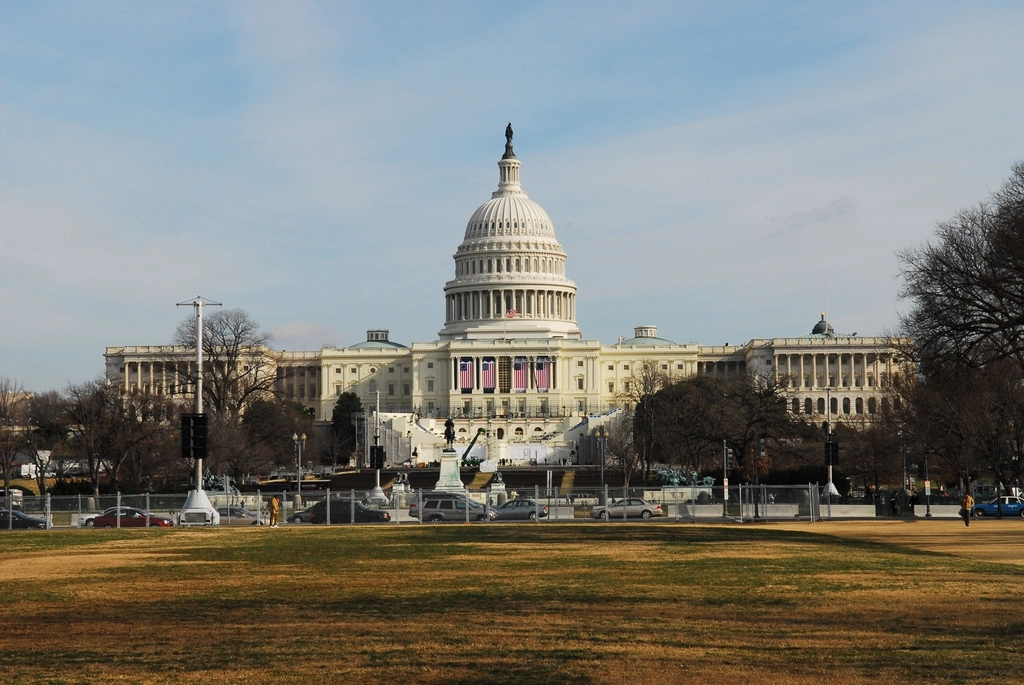
On 21 July 2022, the House Select Committee investigating the 6 January 2021 attack on the US Capitol held its eighth public hearing, the last of its summer series. The prime-time session focused on what then-President Donald Trump did, and did not do, during the attack.
The “187 minutes”
The hearing examined the roughly 187 minutes between the end of Trump’s speech near the White House, in which he urged supporters to march to the Capitol, and the moment he released a video telling rioters to go home. The committee argued that during this period Trump chose not to act to stop the violence.
Who led the hearing
The session was led by two committee members: Representative Elaine Luria, a Democrat from Virginia, and Representative Adam Kinzinger, a Republican from Illinois. Two former Trump White House officials who resigned after the attack testified in person: deputy national security adviser Matthew Pottinger and deputy press secretary Sarah Matthews.
Testimony about phone calls
The committee played previously unseen recorded testimony from people who were at the White House that day. According to these witnesses, Trump did not call senior law enforcement or national security officials, such as the defence secretary or attorney general, while the Capitol was under attack. Luria said the committee’s interviews with military officers, law enforcement leaders, Vice President Mike Pence’s staff and Washington DC officials found that none had heard from the president that day.
Former White House counsel Pat Cipollone and others said they were not aware of Trump making any such calls. Keith Kellogg, then national security adviser to Pence, testified that he did not hear Trump ask for the National Guard or other assistance and said he would have known if such a request had been made.
Context
Trump and his allies criticised the committee as politically motivated and disputed its conclusions. The committee went on to publish its final report in December 2022. This article summarises what was presented at the hearing; readers can consult the committee’s published materials and a range of news sources for fuller detail and differing perspectives.

