

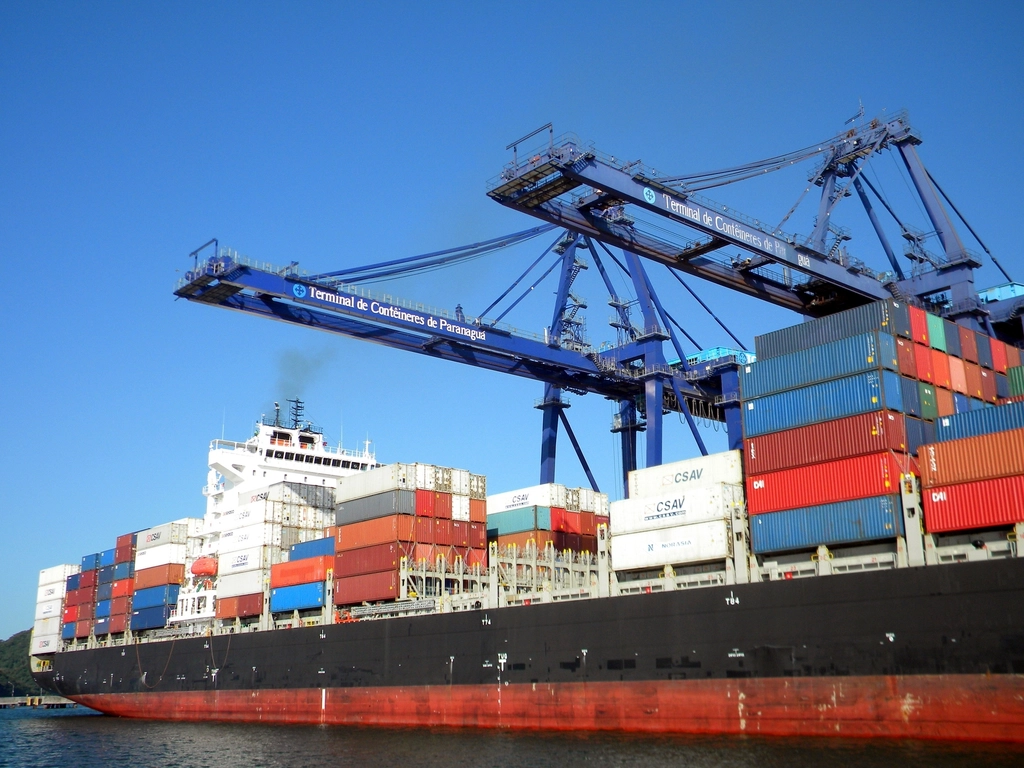
On 1 August 2022, the first cargo ship carrying Ukrainian grain since Russia’s full-scale invasion left the port of Odesa. Its departure marked the start of the Black Sea Grain Initiative, a deal brokered by the United Nations and Turkey to reopen Ukrainian sea exports and ease a growing global food crisis.
The first voyage
The vessel, the Sierra Leone-flagged Razoni, carried around 26,000 tonnes of maize and was bound for Lebanon. Under the agreement, ships were inspected in Turkish waters by a Joint Coordination Centre based in Istanbul, made up of representatives from Ukraine, Russia, Turkey and the UN.
Ukraine’s infrastructure minister, Oleksandr Kubrakov, called the departure another step towards preventing world hunger. He said reopening the ports could bring the country at least $1 billion in foreign currency and help farmers plan for the next season, noting that more than a dozen other ships were waiting to leave ports in the Odesa region.
Why it mattered
Ukraine is one of the world’s leading exporters of wheat, maize and sunflower oil. Since February 2022, Russia’s blockade of Ukrainian ports had trapped millions of tonnes of grain, pushing up the price of staple foods such as bread and pasta, as well as cooking oil and fertiliser, and threatening food security in many import-dependent countries.
How the deal worked
- Russia agreed not to attack ports or ships while grain shipments were under way.
- Ukrainian vessels guided cargo ships through safe corridors in mined waters.
- Turkey, with UN support, inspected ships to address Russian concerns about weapons smuggling.
- The agreement was initially set for 120 days and could be extended if both sides agreed.
Early doubts
The deal faced scepticism from the start. Less than a day after it was signed in July, Russian missiles struck the port of Odesa, and President Volodymyr Zelensky said the attack showed Moscow could not be trusted to keep its promises.
What happened next
Despite tensions, the initiative allowed tens of millions of tonnes of grain to be exported over the following year. Russia withdrew from the agreement in July 2023, after which Ukraine continued exports through its own shipping corridor.

