

As a website grows, shared hosting often stops being enough. Pages slow down during traffic spikes, security becomes harder to control and there is little room for custom software. That is when many businesses consider dedicated hosting. This article explains what it is, how it compares with other options and when it makes sense.
What is dedicated hosting?
With dedicated hosting, you rent an entire physical server for your own use. Unlike shared hosting, where many websites share the same machine and its resources, a dedicated server’s processor, memory, storage and bandwidth are reserved for you alone. You also get far more control over the operating system, software and security settings.
Dedicated vs shared, VPS and managed hosting
- Shared hosting: cheapest and simplest, but resources are shared and performance can suffer when neighbouring sites are busy.
- VPS (virtual private server): a virtual slice of a physical server with guaranteed resources; a middle ground in cost and control.
- Dedicated hosting: a whole physical server for one customer, offering maximum performance and control.
- Managed and hybrid hosting: the provider handles maintenance, updates and monitoring. Some businesses combine dedicated physical servers with cloud or virtual resources in a hybrid setup.
Scales with your needs
Dedicated servers can be configured to match the size and complexity of your project, with options for extra memory, faster storage, additional security tools and IT support. For businesses that need power without paying premium prices, a cheap dedicated server from a reputable provider can be a cost-effective way to run demanding websites or multiple applications.
Reliable infrastructure
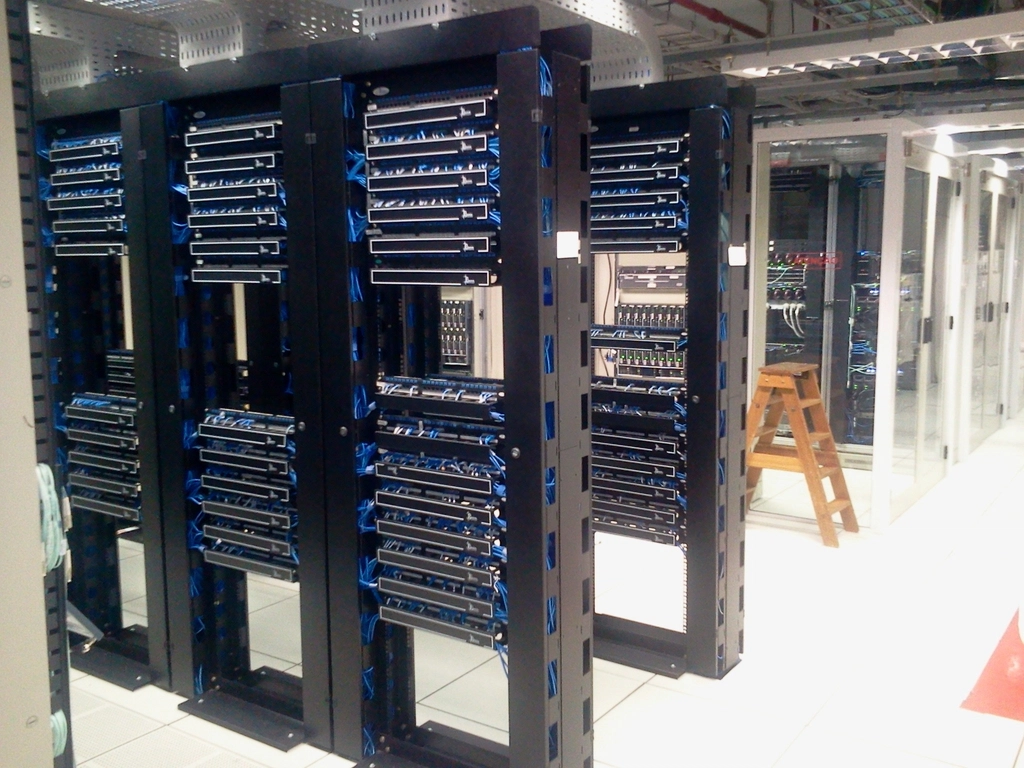
Dedicated servers are housed in professional data centres with redundant power supplies, backup generators, climate control and network connections. Many providers also offer server administration services, such as monitoring, backups and troubleshooting, so smaller teams do not need in-house server experts.
How dedicated hosting improves performance
Because resources are not shared, your applications run faster and more consistently, even under heavy load. You can install the exact software stack you need, tune server settings for your workload and isolate sensitive data more effectively. Dedicated servers are also a good choice for running your own email servers, databases or high-traffic e-commerce stores.

Choosing an operating system
Most providers offer a choice of operating systems. Open-source Linux distributions such as Ubuntu, Debian, AlmaLinux and Rocky Linux are popular because they are stable, secure and free to use. Microsoft Windows Server is the right choice if you rely on Windows-specific applications such as ASP.NET or Microsoft SQL Server, although it usually adds a monthly licensing fee.
Whichever you choose, keeping the system updated with security patches is essential. With managed plans, the provider handles these updates for you.
Is dedicated hosting right for you?
Dedicated hosting is worth considering if your site has high or growing traffic, handles sensitive data, needs custom software or has outgrown shared hosting. For small personal sites, a shared or VPS plan is usually enough. Compare hardware specifications, support levels, uptime guarantees and pricing before choosing a provider.

