

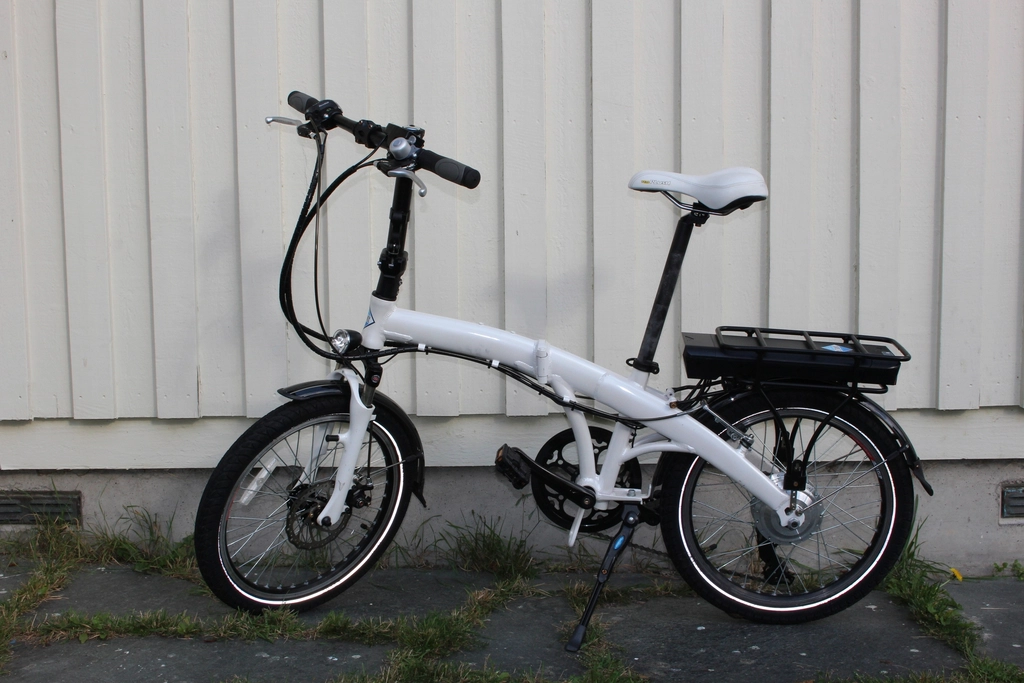
To protect e-bike batteries in summer, keep them out of direct sun and hot cars, avoid riding hard in extreme heat, keep them away from salt water, and never leave them charging unattended. Let a hot battery cool before charging, use the original charger, and stop using any battery that swells, smells, or gets unusually hot.
An electric bike is a great way to enjoy summer, whether you’re heading to a campsite, cruising a beach path, or exploring trails. But hot weather is tough on lithium-ion batteries. High temperatures can shorten battery life and, in rare cases, raise the risk of fire. Here’s how to keep your battery safe all season.
1. Keep Batteries Out of Direct Sunlight

Leaving your e-bike in the sun on a hot day can push battery temperatures well above safe levels, which wears out the cells faster. Park in the shade when you can, and store your bike indoors. If you can’t bring the whole bike inside, remove the battery and keep it somewhere cool and dry. Never leave a battery in a hot car.
2. Avoid Riding Hard in Extreme Heat
Most e-bike batteries have a battery management system that cuts power if it gets too hot. Even so, pushing a battery hard in extreme heat stresses it. On very hot days, ride during cooler parts of the day, use lower assist levels, and take breaks in the shade. Let the battery cool to room temperature before you charge it.
3. Keep Batteries Away From Salt Water

Salt water is very corrosive to electrical parts. Avoid riding through seawater. If your bike gets splashed, rinse it lightly with fresh water (never a pressure washer), then dry it with a clean cloth. Remove the battery and make sure the contacts are completely dry before reconnecting it. Regular maintenance, including keeping the chain clean and lubricated, also helps prevent corrosion.
4. Never Leave a Charging Battery Unattended
Charge your battery in a cool, well-ventilated spot on a hard, non-flammable surface. Avoid charging overnight or while you’re out. Always use the charger that came with your bike, and unplug it once the battery is full. Keep the charging area clear of anything flammable.
Warning Signs to Watch For
| Sign | What to do |
|---|---|
| Swelling or bulging case | Stop using it and contact the maker |
| Strange smell or smoke | Move away and call emergency services if needed |
| Unusually hot to the touch | Unplug and let it cool in a safe spot |
| Sudden drop in range | Have it checked by a qualified shop |
Why Lithium Batteries Can Catch Fire
- Manufacturing defects: faulty cells can cause internal short circuits.
- Poor design: packing cells tightly without enough cooling or protection raises risk.
- Damage or misuse: crashes, punctures, water damage, overheating, or tampering.
- Low-quality parts: cheap cells and chargers without safety certification.
Buy Quality and Stay Safe
The best protection is a quality battery from a reputable brand, certified to recognized safety standards such as UL 2849 for e-bike electrical systems. Check your battery regularly for damage, and stop using it if you notice a problem.
Planning an outdoor trip on two wheels? See our tips for camping and kayaking, and read our guide on what to do after a bicycle accident.
Frequently Asked Questions
Can heat damage an e-bike battery?
Yes. High temperatures speed up wear on lithium-ion cells, which can shorten battery life and reduce range. In rare cases, overheating can raise fire risk. Keep your battery out of direct sun and hot cars, ride gently in extreme heat, and let it cool before charging.
Is it safe to charge an e-bike battery overnight?
It’s best to avoid it. Charge while you’re home and awake, in a cool, well-ventilated area on a hard, non-flammable surface. Use the original charger and unplug once the battery is full. That way, you can spot any warning signs, like heat or smell, quickly.
How should I store my e-bike battery in summer?
Store it indoors in a cool, dry place away from direct sunlight and heat sources. Many manufacturers suggest storing batteries partly charged rather than full or empty if you won’t ride for a while. Check your owner’s manual for the exact storage advice for your battery.
Can I ride my e-bike in the rain or at the beach?
Many e-bikes handle light rain, but avoid deep puddles and never submerge the battery or motor. Salt water is especially harmful because it corrodes electrical parts. After a beach ride, rinse gently with fresh water, dry the bike well, and make sure the battery contacts are dry.
What does UL 2849 mean for e-bikes?
UL 2849 is a safety standard for the electrical system of e-bikes, including the battery, charger, and motor working together. Bikes certified to it have been tested for electrical and fire safety. Looking for this certification is a good way to choose a safer e-bike or replacement battery.
Ride Safely All Summer
A little care keeps your e-bike battery healthy in hot weather. Keep it shaded, charge it safely, avoid salt water, and watch for warning signs.
Before your next summer ride, check your battery for damage, find a cool indoor storage spot, and set a reminder to never charge it while you’re asleep or away.

