

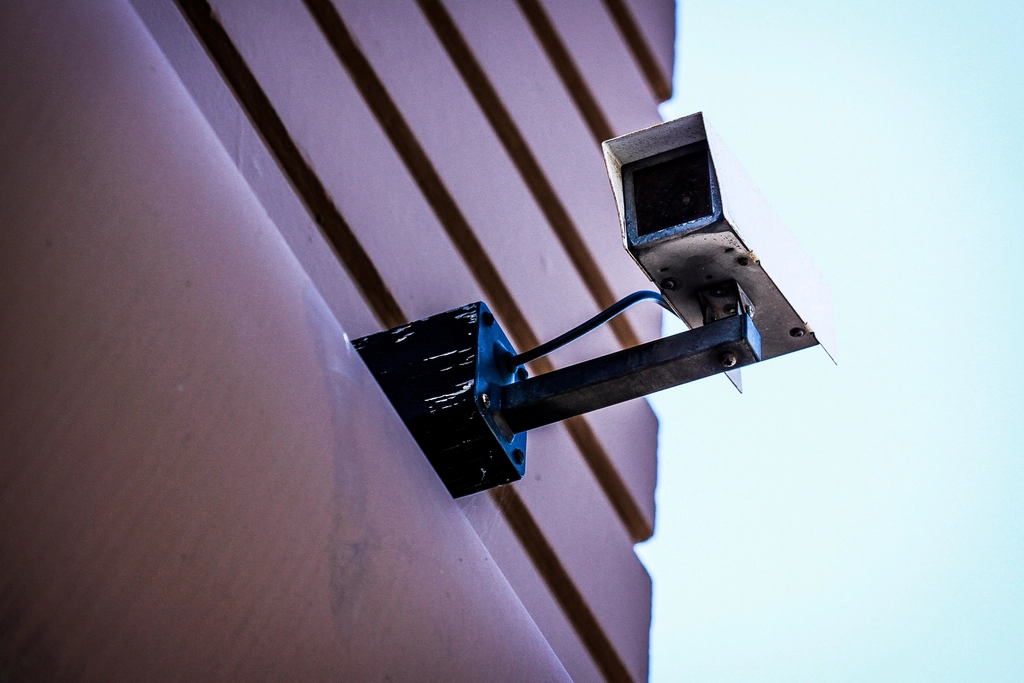
A home security system can deter burglars, alert you to problems and give you peace of mind when you are away. With so many options on the market, from simple DIY kits to professionally installed and monitored systems, it helps to understand the main components before you buy.
If you rent, check first
Renters should check their lease for rules about installing cameras, video doorbells or other security devices. It is also wise to tell your landlord about any system you install, especially one with loud alarms or automatic emergency dispatch. Many wireless systems can be installed without drilling and taken with you when you move.
Entry and motion sensors
Most systems start with entry sensors on doors and windows, which trigger an alert when they are opened. Motion sensors add another layer by detecting movement inside the home. The most common type is the passive infrared (PIR) sensor, which detects body heat. Dual-technology sensors combine PIR with microwave detection to reduce false alarms, although no system is completely free of them. Pet-friendly sensors can ignore smaller animals. If false alarms are a concern, consider installing a separate system for your home security, designed by a professional around the layout of your home.
The number of sensors you need depends on the size and layout of your property. Many brands sell starter kits with several entry sensors and one or two motion detectors, and additional sensors are usually affordable.
Video doorbells and cameras
Video doorbells let you see and speak to visitors from your phone, record activity at your front door and send alerts when someone approaches. Indoor and outdoor cameras extend coverage to driveways, gardens and living areas. When choosing cameras, look at video quality, night vision, field of view, storage options (local or cloud) and any subscription fees. Major brands, including traditional security companies such as ADT, offer video doorbells that integrate with their wider systems.
Alarms: monitored vs self-monitored
- Professionally monitored systems send alerts to a monitoring centre that can contact you and, if needed, dispatch police, fire or medical services. They usually require a monthly fee.
- Self-monitored systems send alerts to your smartphone, leaving you to decide what action to take. They are cheaper but depend on you seeing and responding to alerts.
Some systems also include smoke, carbon monoxide and water leak sensors for broader protection.
Monitoring services
Monitoring plans vary widely in price and features. Some include cellular backup in case your internet goes down, and some offer medical alert options for older family members living at home. Always read the contract carefully, checking the length of commitment, cancellation terms and equipment costs.
Tips for choosing a system
- Decide which features matter most to you: intrusion detection, cameras, smart home integration or fire and safety monitoring.
- Compare DIY and professionally installed options.
- Check reviews and the company’s reputation for customer service.
- Calculate the total cost, including equipment, installation and monthly fees.
Conclusion
The right home security system depends on your home, budget and lifestyle. Whether you choose a simple DIY kit or a fully monitored setup, a well-planned system can protect your property and give you greater peace of mind.

