

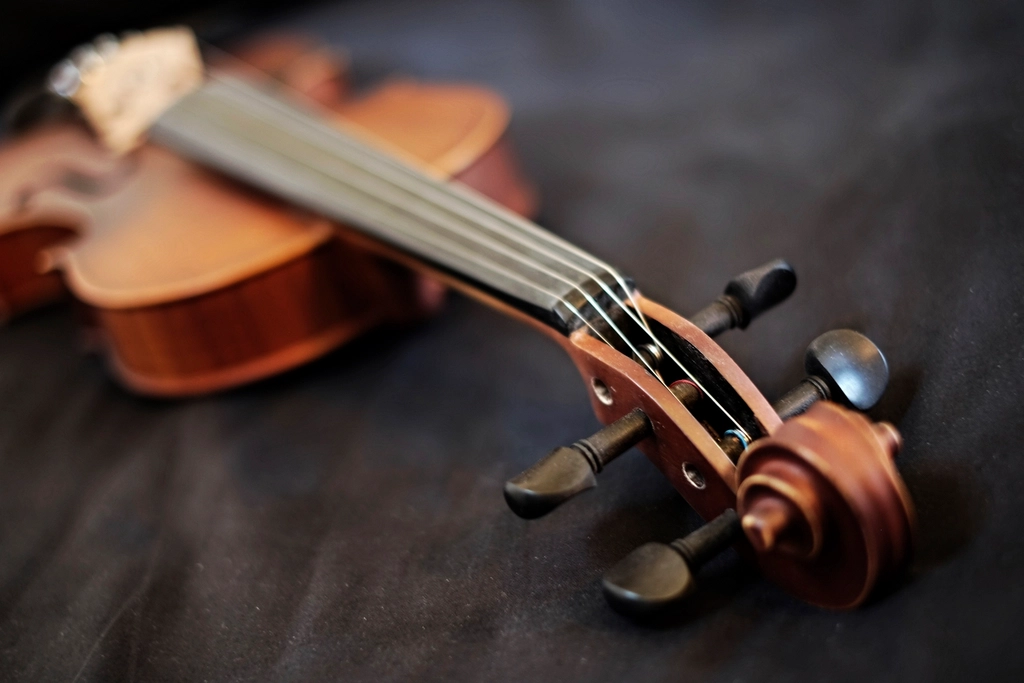
The best musical instrument to learn is the one that fits the music you love, your space, your budget, and how you want to play. Beginners often start with piano, guitar, or ukulele because they’re versatile and easy to find lessons for. Try a few options, rent before you buy, and pick the one you’ll actually want to practice.
Many people dream of learning an instrument but never start, because they’re not sure which one to choose. Picking the right instrument makes it much more likely you’ll enjoy practicing and stick with it. Here are the key questions to ask yourself.
What Kind of Music Do You Love?
Start with the music you listen to most. Many instruments are versatile, but some are closely linked to certain styles. If you love rock, guitar, bass, or drums may suit you. Classical fans might prefer piano, violin, or flute, while jazz lovers often lean toward saxophone, trumpet, or double bass. An instrument that fits your taste keeps you motivated.
Do You Want to Play Alone or With Others?
Piano and guitar work well on their own and for backing singers. If you want to join a band, orchestra, or ensemble, think about which instruments are in demand. Guitar and violin have lots of players, while bass, drums, viola, oboe, and French horn are often needed in groups.
Where Will You Practice?
A drum kit in a small apartment may not please your neighbors. Think about when and where you’ll practice and how much noise is okay. Digital pianos and electronic drum kits let you practice quietly with headphones. Schools, community centers, and rehearsal studios can also offer practice space.
Set a Budget
Costs vary widely, from an inexpensive ukulele to a grand piano. Think about the price of the instrument, accessories, lessons, and upkeep. Renting or borrowing is a good way to start without a big investment, and many music stores offer rent-to-own plans. Compare several options before you commit.
Consider Physical Factors
Some instruments are heavy or large, like the tuba or double bass. Others call for certain hand sizes, lung capacity, or posture. Children may need smaller-sized string instruments. With good teaching, most people can learn most instruments, but comfort matters.
Popular Beginner Instruments Compared
| Instrument | Why beginners like it | Things to know |
|---|---|---|
| Piano or keyboard | Easy to see notes, great for theory | Full-size pianos take space |
| Guitar | Portable, fits many styles | Fingertips get sore at first |
| Ukulele | Small, cheap, quick to learn chords | Limited range |
| Drums | Fun, builds rhythm skills | Loud unless electronic |
| Violin | Expressive, used in many groups | Takes longer to sound good |
Try Before You Decide
Talk to friends who play, try their instruments if you can, and visit open days at music schools. A teacher who knows several instruments can help you choose based on your interests. Once you’ve decided, regular lessons make a big difference. Our guide on choosing the best piano teacher has tips that apply to most instruments.
Frequently Asked Questions
What is the easiest instrument to learn?
Many beginners find the ukulele, piano, or keyboard easiest to start with. The ukulele is small and has simple chord shapes, while the piano makes notes easy to see and understand. “Easy” also depends on you, so pick an instrument that fits the music you enjoy and you’ll progress faster.
What is the best instrument for adults to learn?
Piano and guitar are popular choices for adults because they’re versatile and there are plenty of teachers and online resources. Choose based on the music you love and your available space. Adults often make steady progress because they’re motivated and understand the value of regular practice.
Should I rent or buy my first instrument?
Renting is a smart choice if you’re not sure you’ll stick with it. Many music stores offer rental or rent-to-own plans, so payments can count toward buying later. If you’re confident and the instrument is inexpensive, like a ukulele, buying a decent beginner model can make sense.
How much should I practice as a beginner?
Short, regular sessions work best. Many teachers suggest starting with 15 to 30 minutes a day, most days of the week. Practicing a little every day helps more than one long session a week. As your skills and stamina grow, you can increase your practice time.
What instrument should a child start with?
Piano and keyboard are common first instruments for children because they teach music basics clearly. Recorder and ukulele are also great starters. For string instruments, kids can use smaller sizes. Let your child’s interests guide you, since enthusiasm matters more than the “right” instrument.
Pick Your Instrument and Start Playing
The best instrument is the one you’ll enjoy playing every day. Think about your musical taste, goals, space, budget, and comfort, then try a few before you commit.
This week, visit a music store, try two or three instruments, and ask about rental options. Need inspiration? Our list of movies inspired by poems includes some great soundtracks.

